
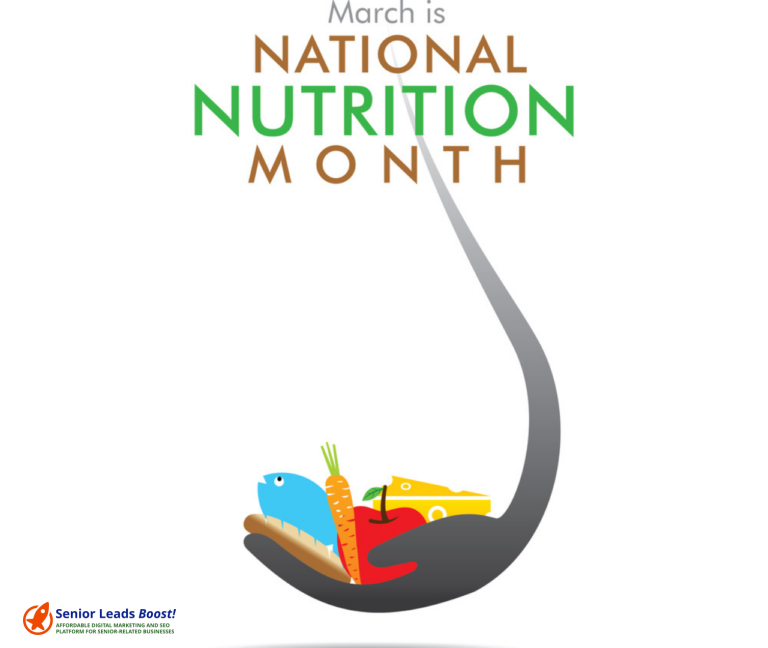
March brings National Nutrition Month, but beyond food labels, wellness tips, and health campaigns, something deeper happens in the minds of consumers. People pause. They reflect. They reassess habits they often ignore the rest of the year. And in that pause, their buying behavior shifts in a very telling way.
As someone who works closely with brands, service providers, and growth-focused businesses, I have noticed that National Nutrition Month does not just influence what people eat. It reveals how and why people decide whom to trust.
This month quietly exposes the difference between attention-driven marketing and trust-based marketing.
Consumers Are Not Looking for Perfection in March
During National Nutrition Month, consumers are not trying to become ideal versions of themselves overnight. They are looking for realistic guidance.
People want:
• Practical advice they can follow
• Brands that understand real life constraints
• Messaging that feels supportive, not demanding
When brands push extreme promises or quick fixes during this period, it often backfires. Consumers become more skeptical, not more motivated.
Awareness Months Trigger Reflection, Not Impulse
National Nutrition Month encourages self-awareness. That shift changes buying behavior.
Instead of asking, “What should I buy?” consumers ask:
• “Who actually understands my situation?”
• “Who is being honest with me?”
• “Who will still support me after this month ends?”
Trust-based marketing thrives here because it aligns with reflection rather than urgency.
Educational Content Builds More Trust Than Promotions
March is a month when people actively seek information. They read articles, watch videos, and listen to professionals.
Brands that focus on:
• Explaining rather than selling
• Teaching instead of persuading
• Offering clarity without pressure
naturally earn more credibility.
Promotions still matter, but only after trust is established. During National Nutrition Month, education becomes the first conversion step.
Consumers Notice Tone More Than Ever
People are emotionally sensitive when it comes to health. Nutrition touches identity, discipline, guilt, and self-worth.
During this month, consumers quickly disengage from brands that:
• Sound judgmental
• Use fear-based language
• Overpromise outcomes
On the other hand, brands that use calm, respectful, and human language stand out. Trust grows when consumers feel understood, not evaluated.
Authenticity Beats Authority in March
Credentials still matter, but relatability matters more during National Nutrition Month.
Consumers respond better to brands that say:
• “Here’s what usually works for most people”
instead of
• “This is the only correct way”
Trust-based marketing recognizes that authority should guide, not dominate.
Consistency Becomes a Trust Signal
National Nutrition Month highlights who shows up consistently and who appears only for the trend.
Consumers notice:
• Brands that have been sharing value long before March
• Businesses that continue conversations after the month ends
• Messaging that aligns across blogs, social media, and services
Consistency signals long-term commitment, which builds trust faster than short-term campaigns.
Transparency Matters More Than Claims
Consumers are more curious in March. They read fine print. They question sourcing. They compare options.
Brands that are transparent about:
• Limitations
• Processes
• What they do and do not offer
build credibility even if they are not the cheapest or flashiest option.
Trust-based marketing does not hide imperfections. It explains them.
Emotional Safety Influences Buying Decisions
Health-related months make people vulnerable. They worry about making the wrong choice.
Trust-based brands reduce anxiety by:
• Offering clear next steps
• Avoiding aggressive calls to action
• Creating space for decision-making
When consumers feel emotionally safe, they are more likely to engage and return.
Storytelling Outperforms Statistics
Data supports decisions, but stories drive belief.
During National Nutrition Month, stories about:
• Small habit changes
• Realistic progress
• Setbacks and adjustments
feel more trustworthy than bold statistics alone.
Stories signal lived experience. That builds connection.
Trust Extends Beyond Nutrition Itself
What makes National Nutrition Month especially revealing is that trust behavior spills into other industries.
Consumers begin applying the same trust filters to:
• Home care services
• Mobility support
• Wellness providers
• Digital services and marketing brands
Once trust becomes a priority in one area, it becomes a standard everywhere.
Short-Term Traffic Does Not Equal Long-Term Trust
Some brands see spikes in engagement during awareness months but struggle to retain attention afterward.
Trust-based marketing focuses on:
• Relationship depth, not just reach
• Repeat engagement, not one-time clicks
• Long-term loyalty, not seasonal spikes
March exposes which brands are building something sustainable.
What This Month Teaches Smart Marketers
National Nutrition Month reminds us that people do not want to be convinced. They want to be guided.
Effective trust-based marketing during this time:
• Meets consumers where they are
• Respects their pace
• Honors their intelligence
When brands slow down, listen more, and sell less, trust naturally accelerates.
The Quiet Lesson Behind Consumer Behavior in March
National Nutrition Month shows us that trust grows when brands stop trying to win attention and start earning belief.
Consumers remember who made them feel informed, respected, and supported long after the month ends.
In a world full of noise, trust is built in calm moments.
And March is one of those moments when consumers are paying closer attention than brands often realize.