
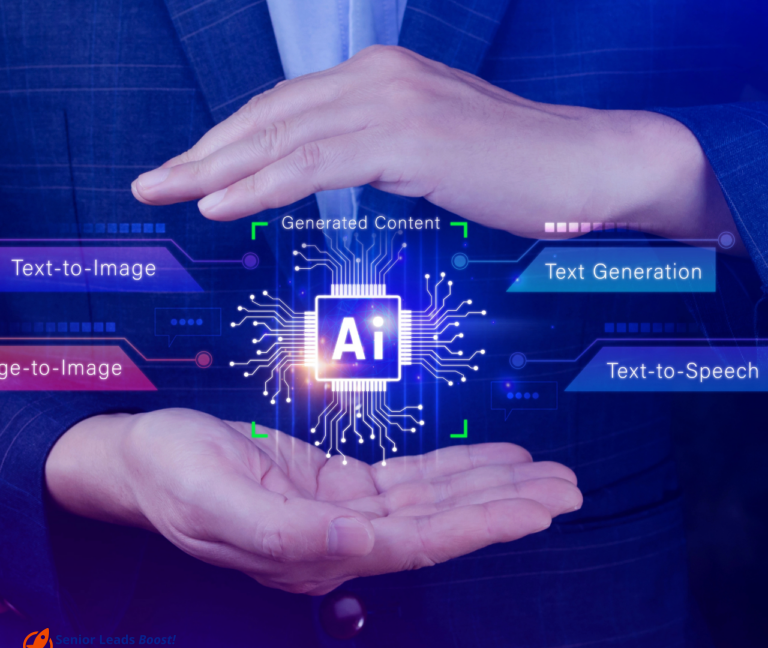
Artificial intelligence has become a major force in marketing automation. Businesses of all sizes are leveraging AI to streamline campaigns, improve engagement, and make data-driven decisions. AI is no longer just a futuristic concept; it is now an essential tool for businesses that want to remain competitive in a digital-first world. With AI, marketing teams can automate repetitive tasks, personalize communication, and gain insights into customer behavior that would otherwise take hours to analyze manually.
How AI Supports Marketing Automation
AI is capable of handling many tasks that were previously time-consuming or complex. By analyzing large amounts of data, AI helps businesses understand customers better, anticipate their needs, and deliver the right message at the right time.
Key benefits of AI in marketing automation:
- Reduces repetitive tasks by automating email campaigns, social media scheduling, and content posting.
- Analyzes customer behavior to personalize messaging effectively.
- Tracks campaign performance and provides actionable insights in real time.
- Predicts customer behavior and identifies high-value leads.
- Supports decision-making with data-driven recommendations.
- Increases engagement and conversion rates by delivering relevant content to the right audience.
Businesses that implement AI in their marketing strategy can achieve more with less effort and fewer resources.
How Many Social Media Platforms Are Leveraging AI?
AI is widely used across major social media platforms to improve user experience and advertising effectiveness. Platforms such as Facebook, Instagram, LinkedIn, Twitter, TikTok, and YouTube all incorporate AI to automate tasks and deliver personalized experiences.
Examples of AI in social media:
- Facebook uses AI to automatically show users content and ads that match their interests.
- Instagram recommends posts, stories, and reels based on AI analysis of user behavior.
- LinkedIn leverages AI to suggest job postings, connections, and articles relevant to each user.
- Twitter uses AI to filter content and suggest trends or tweets users may find interesting.
- TikTok’s AI-driven feed analyzes user interactions to create a highly personalized video experience.
- YouTube’s AI recommends videos based on viewing patterns and engagement metrics.
Understanding how these platforms use AI can help business owners design campaigns that reach the right audience efficiently.
How to Implement AI in Your Business
Adopting AI in marketing does not require a complete overhaul of existing processes. A strategic approach ensures smooth integration and measurable results.
Step by step guide to implementing AI:
1. Identify Repetitive Tasks
Start by listing tasks that are time-consuming and can benefit from automation. These may include:
- Social media post scheduling
- Email marketing campaigns
- Customer segmentation
- Reporting and analytics
By focusing on these tasks first, you can maximize the impact of AI without overwhelming your team.
2. Choose the Right AI Tools
There are many AI marketing tools available, each with unique features. Consider tools that integrate well with your existing systems. Examples include:
- AI-driven email platforms that automate personalized campaigns
- Social media automation tools that schedule posts and suggest content
- Analytics platforms that track engagement and performance
- Chatbots that handle customer inquiries automatically
Selecting the right tools ensures smooth adoption and reduces the learning curve for your team.
3. Train Your Team
AI is only effective if your team knows how to use it. Provide training sessions on:
- How to create AI-driven campaigns
- How to monitor AI performance and analytics
- How to intervene manually when necessary
- Best practices for personalization and customer engagement
Training ensures that your team can leverage AI efficiently while maintaining a human touch where required.
4. Start Small and Scale Gradually
Begin by implementing AI for one or two tasks. Monitor results closely before expanding its use. For example:
- Automate email sequences for new subscribers
- Schedule weekly social media posts using AI recommendations
- Track engagement metrics through AI dashboards
Gradual adoption reduces risk and allows your team to adapt to new workflows.
5. Monitor Performance and Adjust
AI tools provide valuable analytics, but human oversight is essential. Track metrics such as:
- Email open rates and click-through rates
- Social media engagement and follower growth
- Website traffic and conversion rates
- Customer satisfaction and feedback
Regular monitoring helps identify areas for improvement and ensures that AI is delivering measurable results.
6. Personalize Customer Interactions
AI excels at personalization. Use data to deliver relevant content, offers, and recommendations to your audience. Personalization can include:
- Product recommendations based on browsing or purchase history
- Tailored email campaigns based on user behavior
- Custom social media ads targeted to specific audience segments
Personalized marketing increases engagement, builds trust, and encourages repeat purchases.
Benefits for Business Owners
Implementing AI in marketing automation provides significant advantages for business owners.
- Saves time and reduces workload, allowing owners to focus on strategy.
- Improves marketing efficiency by delivering the right message to the right audience.
- Enhances customer engagement through personalization.
- Provides insights for better decision-making and strategic planning.
- Increases revenue by converting leads more effectively.
- Enables scaling of marketing efforts without proportional increases in manpower.
AI helps business owners achieve measurable growth while ensuring their marketing remains efficient and effective.
Final Thoughts
AI workflows are transforming marketing by automating repetitive tasks, personalizing communication, and providing actionable insights. Businesses today are using AI across social media, email campaigns, and analytics to reach their audience efficiently. By identifying repetitive tasks, selecting the right tools, training teams, and gradually scaling AI use, business owners can implement effective AI-driven marketing strategies. The benefits are clear: higher engagement, better decision-making, and increased revenue. For modern businesses, adopting AI is not just a trend but an essential step toward sustainable growth and competitive advantage.
Legal Disclaimer: This post is strictly for educational use and should not be construed as professional advice (medical, legal, financial, or otherwise).