
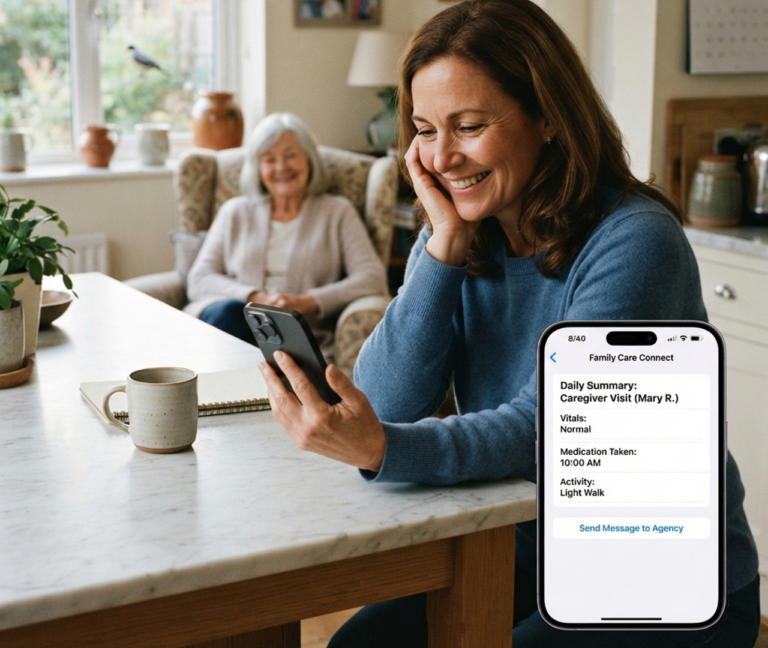
Automated follow-ups can improve family communication in home care by helping agencies send timely reminders, updates, and helpful information without relying entirely on manual messages. When used thoughtfully, automation can help families stay informed, reduce missed communication, and create a more consistent experience while still allowing caregivers and staff to provide personal support when it matters most.
Families often have questions before, during, and after starting home care. They may need reminders about appointments, updates about services, or guidance about next steps. A well-planned follow-up system can help agencies stay connected without overwhelming staff or families.
Why Does Consistent Communication Matter?
Clear communication is an important part of a positive home care experience. Families want to know that their questions and concerns are being addressed.
Consistent communication can help:
- Keep families informed
- Reduce missed messages
- Provide timely reminders
- Improve organization
- Strengthen trust
- Support better coordination
When communication is predictable, families may feel more comfortable knowing what to expect.
What Can Automated Follow-Ups Include?
Automation can support many routine communication tasks.
Examples include:
- Consultation reminders
- Appointment confirmations
- Welcome messages
- Follow-up emails
- Care information
- Satisfaction check-ins
- Review requests
- Educational resources
These messages can be scheduled based on specific events or timelines.
Send Timely Consultation Reminders
Families may contact several care providers while comparing their options. A timely reminder can help keep communication moving.
For example, after someone requests a consultation, an agency could send:
- A confirmation message
- A reminder before the scheduled call
- Helpful information about preparing for the conversation
- A follow-up message afterward
This creates a smoother communication process without requiring staff to remember every step manually.
Keep Families Informed
Automated messages can help families receive important general information at the right time.
Agencies might send resources about:
- Home safety
- Healthy aging
- Seasonal wellness
- Care planning
- Family caregiver support
- Preparing for changes in care needs
Useful information can help families feel supported beyond the initial conversation.
Reduce Missed Communication
Busy families may overlook emails or forget appointments. Automated reminders can provide an additional touchpoint.
Helpful reminders may include:
- Upcoming consultations
- Scheduled meetings
- Routine follow-ups
- Requested documents
- General service information
However, automation should support communication rather than replace personal conversations.
Personalize Messages When Possible
Automated does not have to mean impersonal.
Agencies can personalize messages using appropriate details such as:
- Family member’s name
- Appointment date
- Requested service
- Preferred communication method
- Relevant educational resources
Simple personalization can make automated communication feel more thoughtful.
Know When Human Communication Is Needed
Some situations require personal attention. Automation should not be used as a substitute for conversations involving complex concerns, urgent needs, or sensitive family matters.
Staff should be available to handle:
- Detailed care questions
- Complaints
- Changes in care needs
- Service concerns
- Urgent situations
- Requests for personalized guidance
A strong system combines automation with human support.
Use Seasonal Follow-Ups
Seasonal communication can provide timely value to families.
During fall, for example, agencies could share information about:
- Preparing seniors for cooler weather
- Seasonal nutrition
- Home safety
- Healthy daily routines
- Fall mobility concerns
- Caregiver planning
Connecting communication with seasonal wellness topics keeps messages relevant and useful.
Support Family Caregivers
Family caregivers often balance work, household responsibilities, and care coordination. Helpful automated reminders can reduce some of the organizational burden.
Agencies can provide:
- Caregiving resources
- Educational articles
- Appointment reminders
- Helpful checklists
- Routine follow-ups
- Information about available services
The goal is to make communication easier, not add more work.
Automate Review Requests Responsibly
After a positive interaction or completed service milestone, agencies can send a polite request for honest feedback.
A review follow-up should:
- Thank the family
- Ask for honest feedback
- Provide clear instructions
- Avoid pressure
- Respect privacy
Authentic feedback can help agencies improve their services and build trust with future families.
Track Communication Performance
Agencies can review their follow-up campaigns to understand what works best.
Useful measurements include:
- Message delivery rates
- Email open rates
- Link engagement
- Consultation bookings
- Response rates
- Follow-up completion
These insights can help agencies improve future communication.
Protect Family Privacy
Home care agencies handle information that may be private. Automated communication should be designed with appropriate privacy and security practices.
Agencies should:
- Limit sensitive information in automated messages
- Use appropriate communication systems
- Review access permissions
- Keep contact information accurate
- Follow applicable privacy requirements
When in doubt, agencies should seek qualified professional guidance regarding privacy and compliance.
Create a Balanced Communication Strategy
The best approach combines automation with genuine human interaction.
A balanced strategy may include:
- Automated reminders for routine tasks
- Personal calls for important conversations
- Educational emails for general information
- Direct staff communication for concerns
- Regular feedback opportunities
This approach allows technology to handle repetitive tasks while staff focus on relationships and care.
Final Thoughts
Automated follow-ups can help home care agencies create more consistent and organized communication with families. From consultation reminders and educational resources to review requests and seasonal wellness information, automation can reduce missed opportunities while keeping families connected. The most effective approach is not to replace personal communication but to support it. When automation and human interaction work together, agencies can provide families with timely information, better organization, and a more supportive home care experience.
Legal Disclaimer: This post is strictly for educational use and should not be construed as professional advice (medical, legal, financial, or otherwise).