
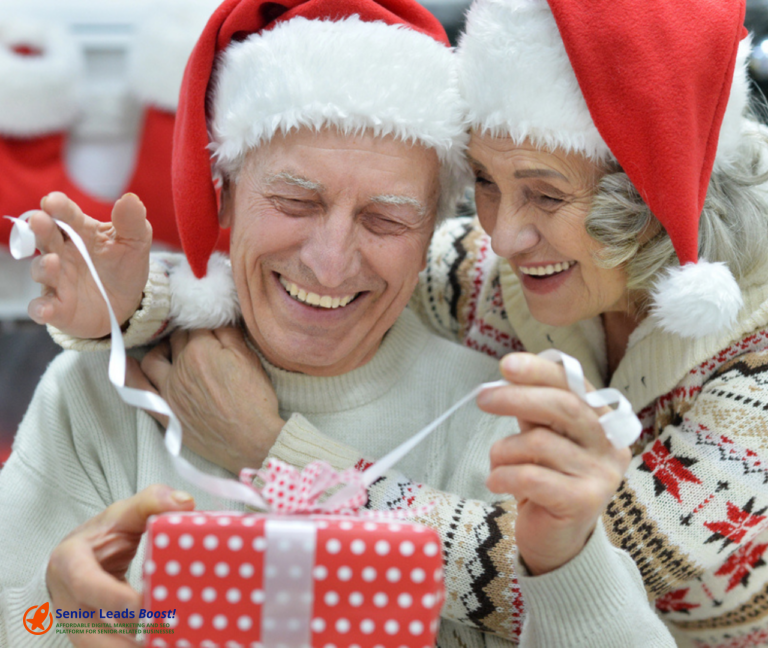
Christmas has a way of softening everything. The lights feel warmer, voices sound gentler, and homes become places of gathering again. As a home care owner, I see this season not just as a celebration, but as a moment of reflection. Families come together and notice things they may have missed all year. How Mom moves a little slower now. How Dad avoids the stairs. How the home that once felt effortless now carries small risks no one talks about.
In my work across home care, mobility services, safety planning, and even marketing strategy, one truth stands out clearly. The most meaningful gift you can give a senior during Christmas is not something wrapped. It is peace of mind.
A safer home gives that gift quietly, every single day.
Why Christmas Is the Moment Safety Comes Into Focus
During the holidays, routines change. Homes become busier. Furniture shifts to make room for guests. Decorations appear in walkways. Cords stretch across floors. Cooking happens more often. These changes may feel temporary, but for seniors, they can significantly increase risk.
Winter itself adds another layer. Cold floors, reduced daylight, and heavier clothing affect balance and movement. A home that felt manageable in summer can suddenly feel unpredictable.
As someone who supports aging in place, I believe Christmas is the perfect time to gently reassess safety without fear or urgency. It is a season of care, not correction.
Safety Is About Confidence, Not Control
One mistake families often make is thinking safety means restriction. It does not.
True safety supports independence. It allows seniors to move freely, rest comfortably, and participate fully in daily life without constant worry. When a home is designed with intention, confidence grows naturally.
From a mobility service perspective, even small adjustments can dramatically reduce fall risk while preserving dignity. From a home care lens, emotional safety matters just as much as physical protection.
The Quiet Risks Hiding in Festive Homes
Holiday decorations bring joy, but they also introduce hazards that often go unnoticed.
Loose rugs under Christmas trees. Extension cords along hallways. Step stools pulled out more often. Dim lighting that looks cozy but reduces visibility. Decorations stored in hard-to-reach places that invite risky reaching or climbing.
These are not signs of carelessness. They are signs of a home adapting temporarily without realizing the impact.
From my experience, most holiday-related injuries are not dramatic accidents. They are small missteps that could have been prevented with simple awareness.
Creating a Safer Space Without Changing the Spirit
Safety does not require stripping a home of warmth or tradition. It simply asks for thoughtful placement and planning.
Clear walkways are one of the most powerful safety upgrades. Ensuring that paths from bedrooms to bathrooms, kitchens, and living rooms remain uncluttered makes a significant difference.
Lighting is another quiet protector. Adding soft but sufficient lighting in hallways and entry points helps seniors navigate confidently, especially during early winter evenings.
Temperature control also matters. Cold homes increase stiffness and slow movement. Keeping living spaces comfortably warm supports mobility and reduces strain.
These adjustments blend seamlessly into the holiday environment while protecting those who matter most.
Why Emotional Safety Deserves Equal Attention
Christmas can be emotionally heavy for seniors. Memories surface. Loneliness can deepen. Feeling dependent can be painful, especially in a season centered around giving.
A safe home sends a powerful emotional message. It says you are valued. You are considered. You belong here.
As a home care provider, I have seen how emotional comfort improves physical outcomes. Seniors who feel secure move more confidently, sleep better, and engage more fully with family.
Peace of mind is not passive. It actively supports well-being.
Small Safety Enhancements With Big Impact
Some of the most effective changes are also the simplest.
Non-slip mats in bathrooms. Stable seating with arm support. Easy access to frequently used items. Removing the need to climb, reach, or rush.
From a systems mindset, these are low-effort, high-return improvements. They reduce risk without drawing attention to vulnerability.
In marketing, we talk about friction reduction. In home care, the same principle applies. The fewer obstacles someone faces, the safer and more empowered they feel.
Involving Seniors in the Conversation
One of the most important steps is inclusion.
Safety planning should never feel like something done to someone. It should feel like something done with them. Ask what feels difficult. Ask what feels unsafe. Ask what they worry about but may not say out loud.
This approach preserves autonomy and builds trust.
As someone who works across service industries, I know trust is the foundation of every successful relationship. At home, it is no different.
A Gift That Lasts Beyond Christmas
Decorations will come down. Guests will leave. The season will pass.
But a safer home remains.
When families invest time in safety during Christmas, they often discover benefits that extend into the new year. Fewer falls. Less anxiety. More independence. More confidence for everyone involved.
Peace of mind does not fade when the lights are packed away.
A Final Reflection
Christmas is about care expressed through action. It is about noticing, adjusting, and showing up in ways that truly matter.
From my blended perspective as a home care owner, mobility service provider, and protector of everyday living, I believe the greatest gift you can offer a senior this season is a home that supports them quietly and respectfully.
A home where movement feels safe. Where rest feels secure. Where life continues with dignity.
That kind of peace of mind is not just a holiday gift. It is a daily one.